The medals are the part everyone sees.
The photographs, the celebrations, the winning wines lined up beneath the Mediterranean sky.
What most people don’t see is everything that happens before the first score is written down.
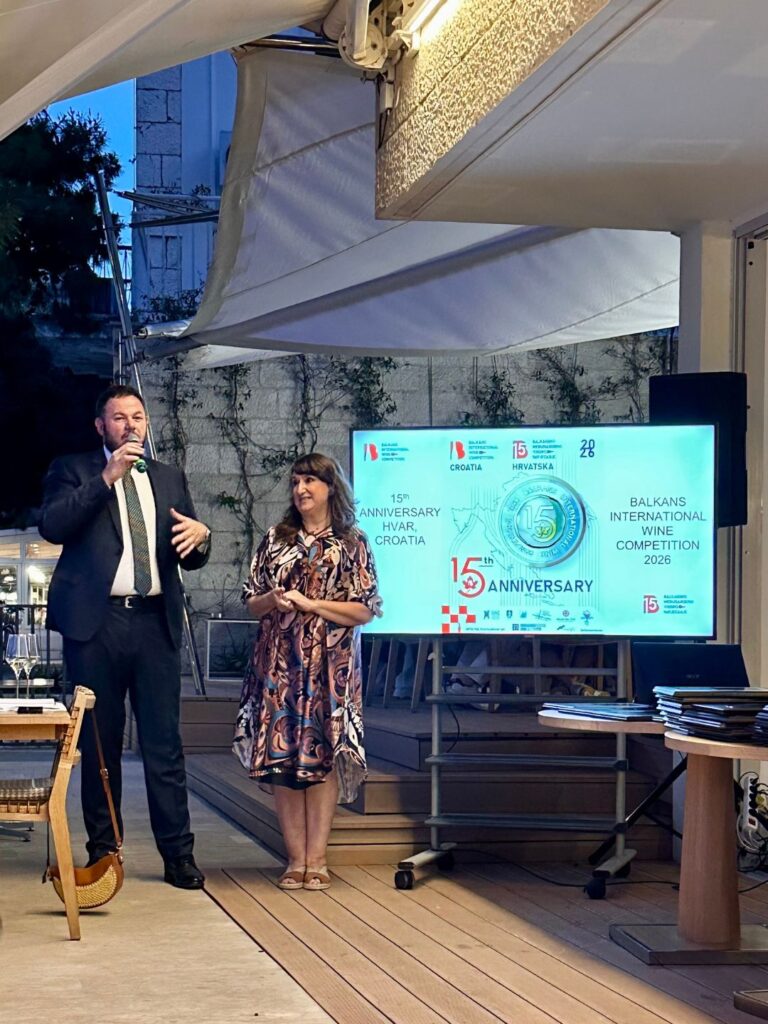
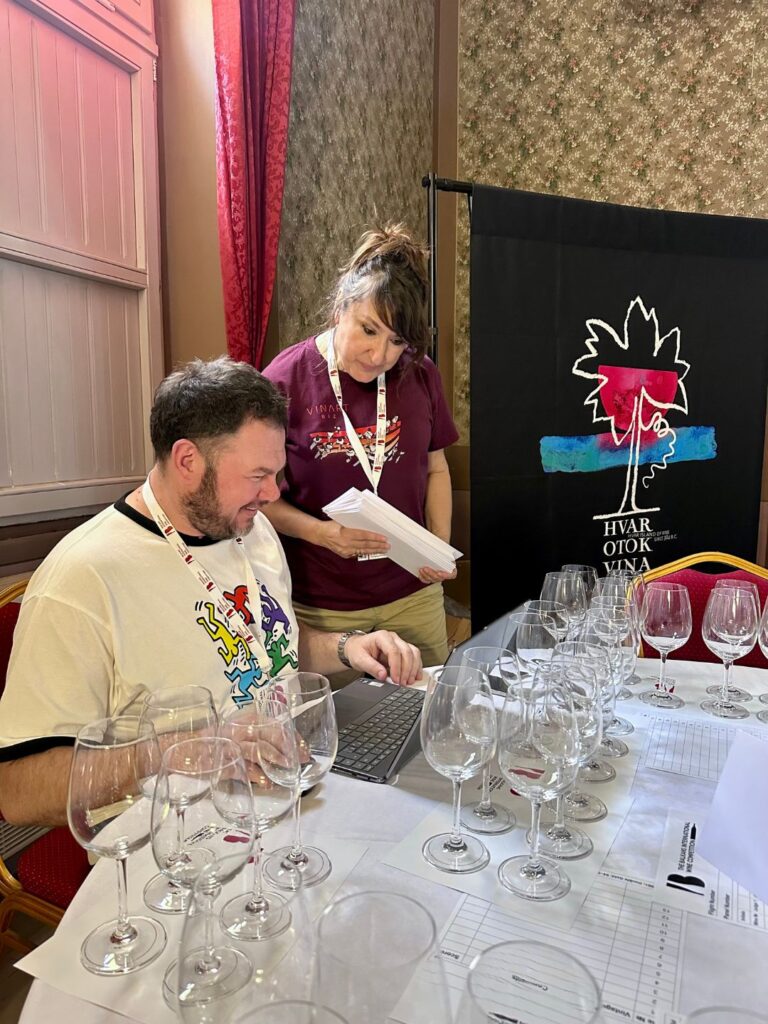
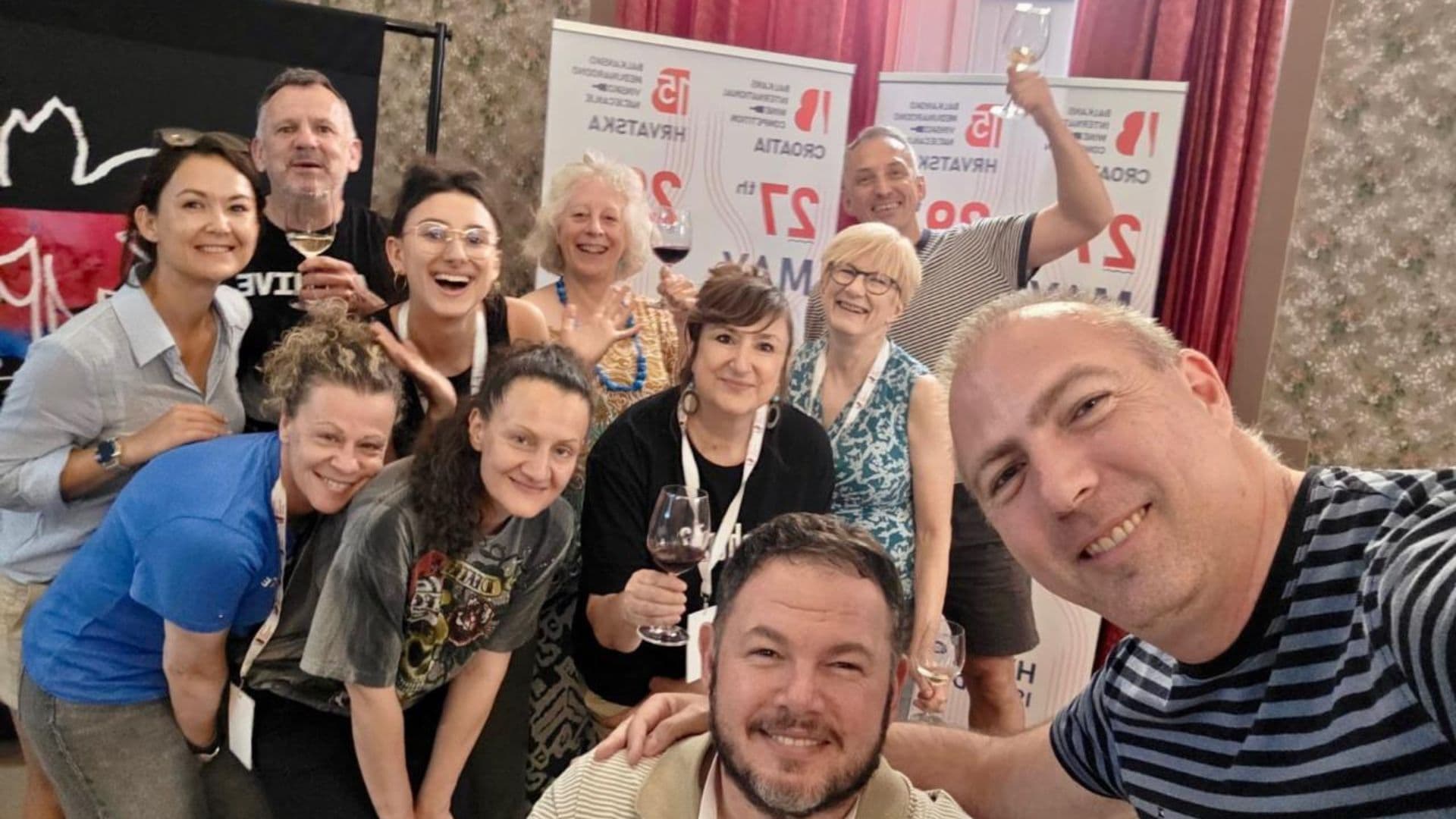
Last week, we joined the team behind the 15th Balkans International Wine Competition on the island of Hvar, Croatia. While judges debated wines from across the region and producers waited nervously for results, a small team worked quietly in the background ensuring every bottle arrived where it needed to be, every label disappeared, and every tasting flight unfolded exactly as intended.
For a competition that welcomes some of the world’s most respected wine professionals, precision is non-negotiable.Yet what stood out wasn’t the technical rigor.
It was the sense that, despite the structure, scale, and scrutiny, everything still felt deeply personal.
A Competition That Travels
Founded by Galina Niforou, the Balkans International Wine Competition was created to shine a light on regions rich in viticultural heritage, yet still often overlooked by the broader wine world.
What sets it apart is that it never stands still.
Rather than being anchored to a single location, the competition moves each year to a different wine-growing region. In doing so, it becomes more than a judging platform. It transforms into a travelling showcase of culture, landscape, and local identity, giving each host region its moment in the spotlight.
This year, that journey led to Hvar.
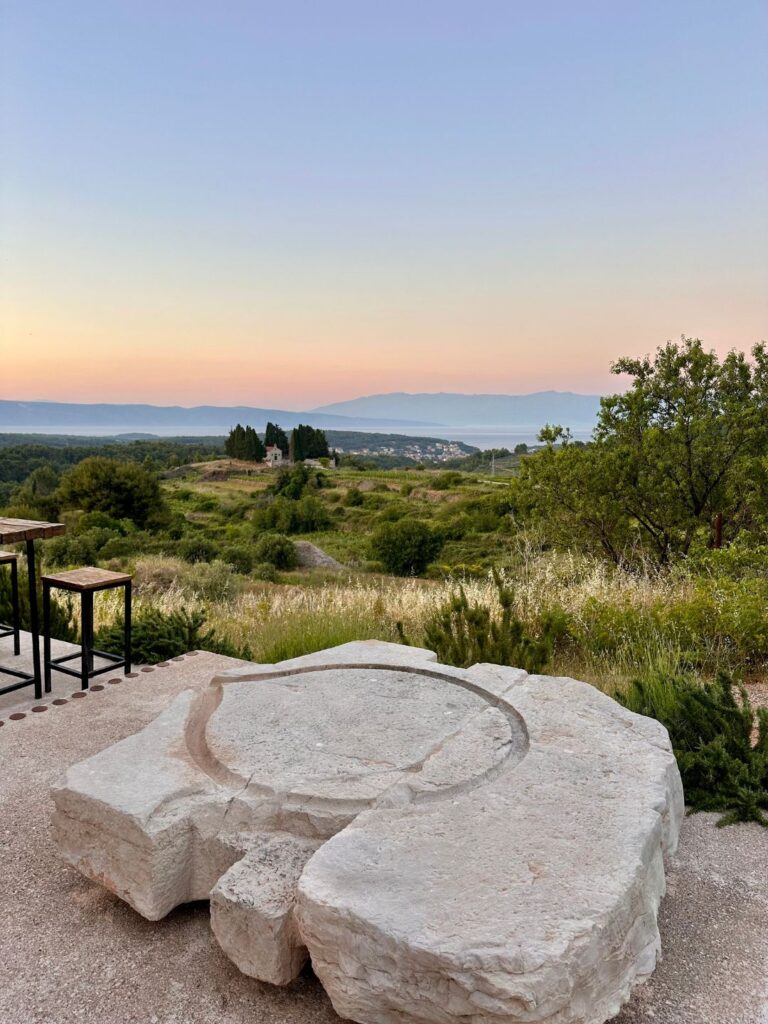
Set along Croatia’s Dalmatian coast, Hvar carries more than 2,400 years of winemaking history. Vineyards rise from rugged limestone hills above the Adriatic, and wine remains deeply woven into daily life in a way that feels increasingly rare in the modern world.
In many ways, the setting felt like a natural extension of the competition itself.
By moving from one destination to the next, Galina has shaped it into something more immersive than a travelling judging event. Each host region becomes part of the narrative, connecting producers, judges, and local communities through a shared language of wine, culture, and place.
Behind the Scenes
Before the judges arrived at the historic town hall in Jelsa, the work was already well underway.
Boxes arrived. Flights were sorted. Glassware was polished. Missing deliveries were tracked down. Labels were carefully concealed.
It is easy to assume wine competitions are simply rows of bottles and score sheets, but behind every judging table is an intricate system designed to ensure fairness, consistency, and flow.
Under the careful guidance of chairman Igor Luković, each flight is intentionally structured. Wines are distributed across panels to ensure balance and objectivity. Every detail is considered long before the first glass is poured.
Yet despite this precision, there is very little sense of formality.
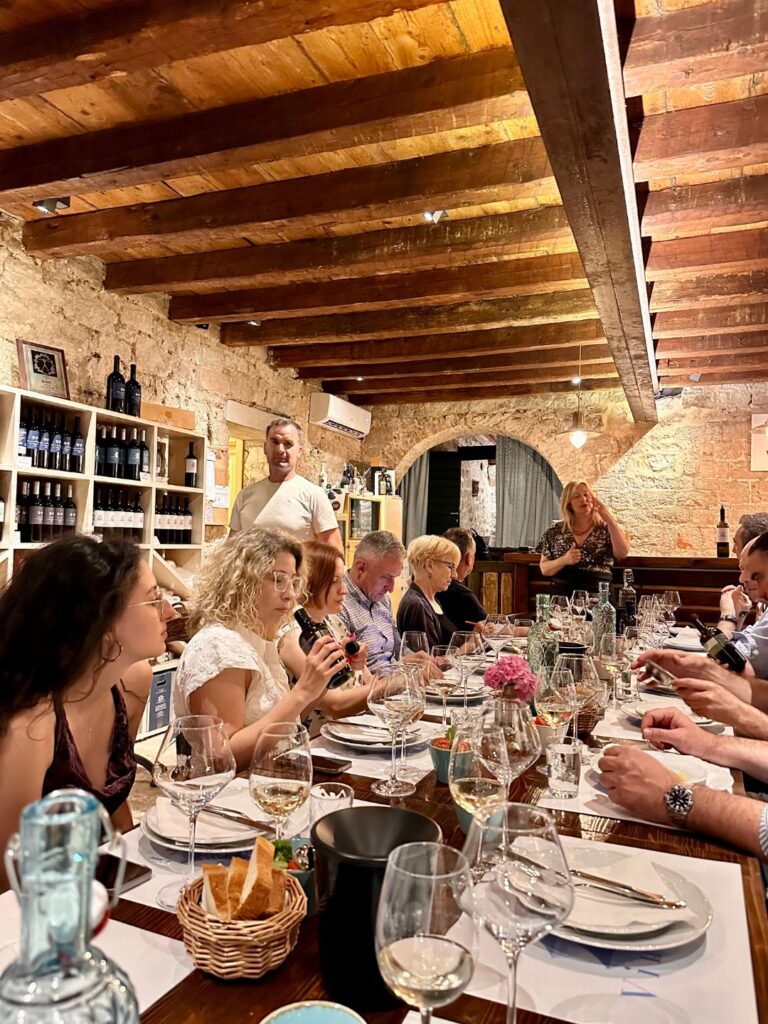
For years, Galina, Theodora, Igor, and the wider team have cultivated an atmosphere that feels less like a corporate operation and more like an extended family gathering. There is seriousness where it matters, but also warmth, humour, and an unmistakable sense of hospitality.
That balance is surprisingly rare.
The competition welcomed an international panel of judges, including Masters of Wine Rod Smith, Caroline Gilby, Elizabeth Gabay, and Pasi Ketolainen, alongside respected wine professionals from across Europe.
Watching these panels work is a reminder that great judging is not about finding faults, but about understanding intention. Discussions were measured, rigorous, and at times unexpectedly philosophical.
Wine as Lived Culture
The further we explored Hvar, the more one idea kept returning.
Here, wine is not a lifestyle accessory.
Not a marketing exercise.
Not something reserved for special occasions.
It is part of daily life.
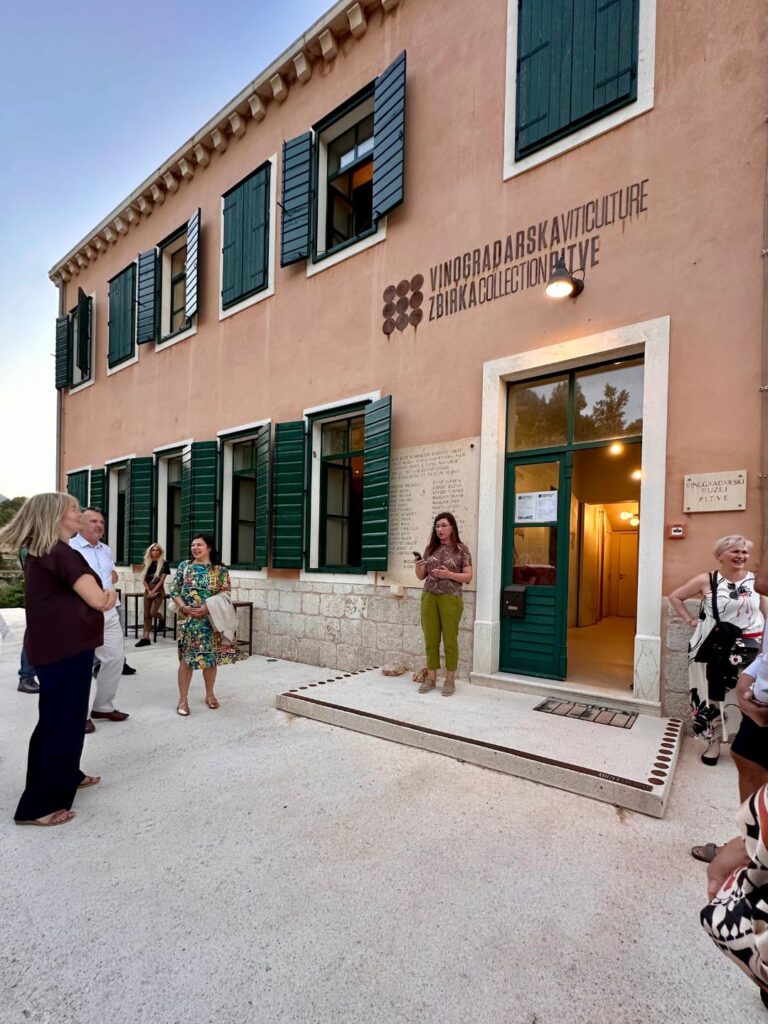
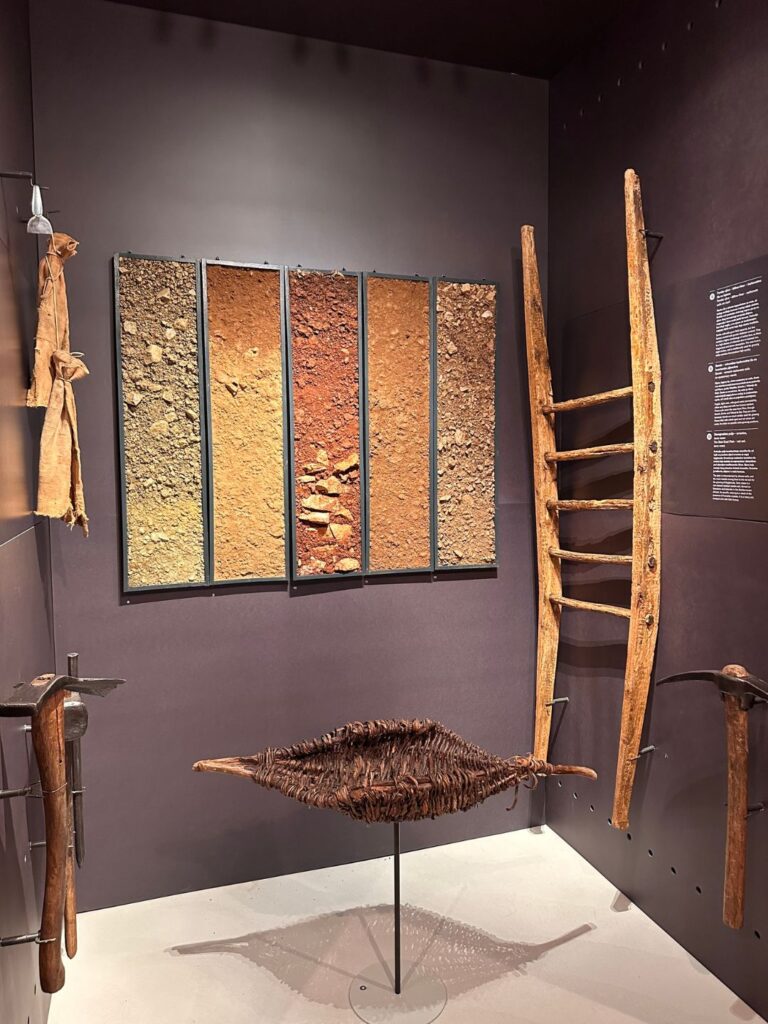
You feel it walking through the Museum of Viticulture. You hear it in conversations with producers. You sense it in family-run taverns where discussions naturally drift toward vineyards, harvests, and the season ahead.
Wine is not simply produced here.
It is lived.
That perspective carried directly into the judging room.
One of the most grounding reflections came from Rod Smith MW, who reminded everyone that judging should never exist to intimidate consumers or gatekeep enjoyment. The question, he said, is simple:
“Did the winemaker achieve what they set out to do?”
A reminder that feels especially relevant in a world where wine is often made more complex than it needs to be.
Discovering the Region’s Voice
Beyond the scores and medals, the most compelling moments came from discovering wines that rarely leave their place of origin.
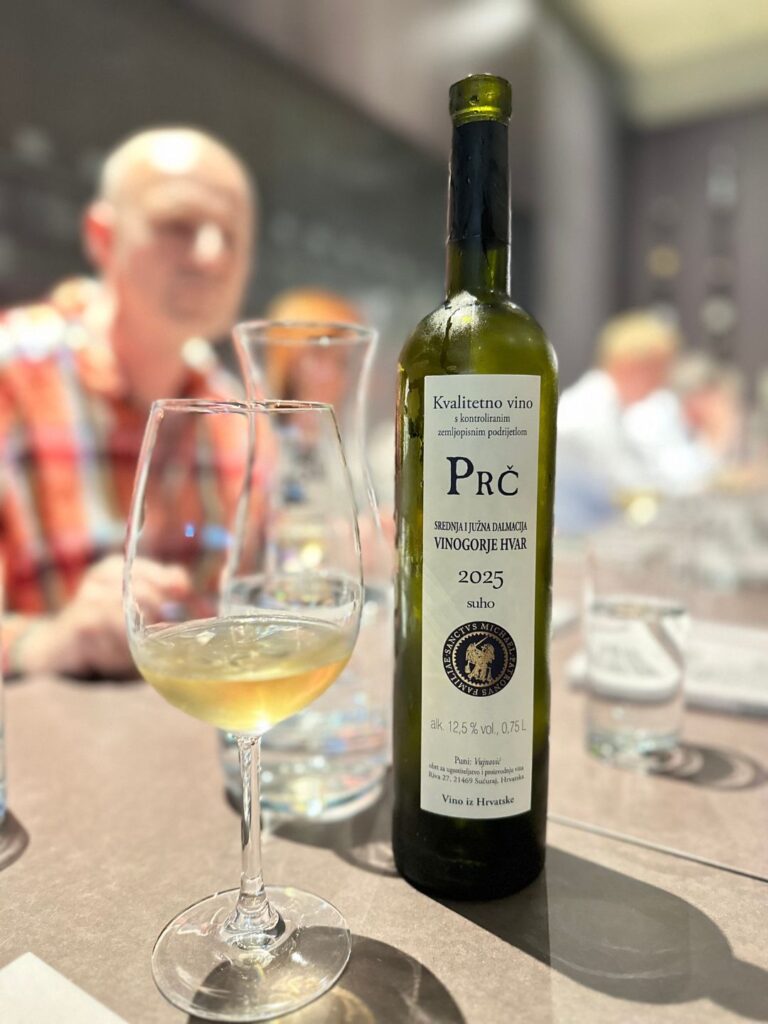
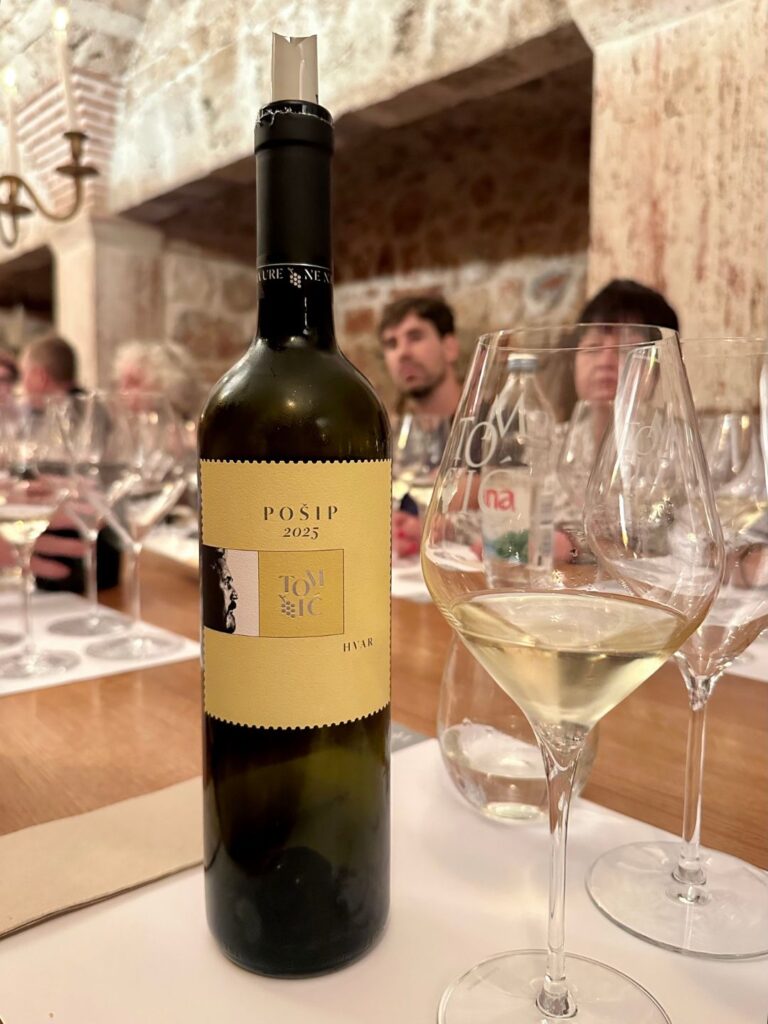
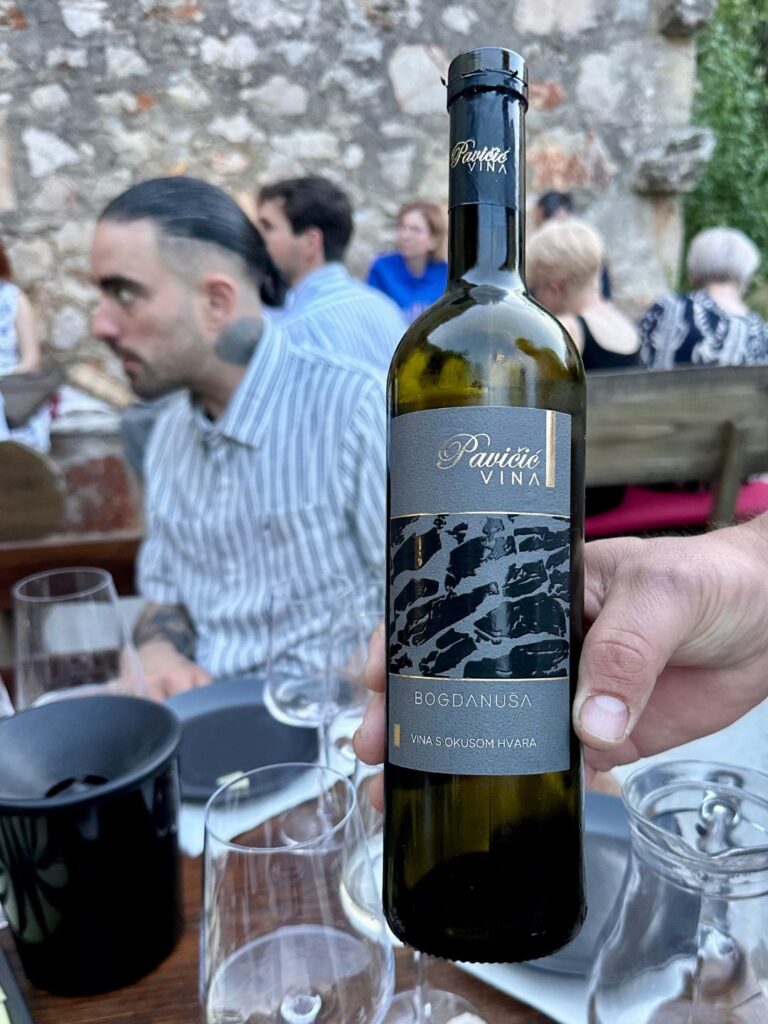
Indigenous varieties such as Prč (translates to “billy goat“), Pošip , and Bogdanuša (whose name translates as “God-given”) each offered a distinct expression of Hvar’s terroir.
Prč displayed herbal nuances reminiscent of wild rosemary and Mediterranean maquis, while Pošip combined ripe stone fruit, bright citrus, and the fragrant character of local herbs such as immortelle. Bogdanuša revealed a lighter, more delicate personality, with subtle tropical fruit notes, refreshing acidity, and underlying mineral tension. Together, they painted a vivid picture of the island’s unique wine identity.
Other wines carried a striking mineral tension that seemed to echo the rocky coastal terrain. Some showed lifted herbal edges, shaped by the vegetation growing between the vines rather than any stylistic intention imposed from elsewhere.
Even within familiar categories, surprises continued. The rosé flights, in particular, sparked thoughtful discussion. As Elizabeth Gabay MW highlighted, rosé is too often treated as a seasonal style, when in reality it holds space for both immediate pleasure and serious, age-worthy expression.
These were not wines trying to imitate elsewhere.
They were wines speaking entirely in their own voice.
A Few Well-Deserved Celebrations
Of course, excellence deserves recognition.
Throughout the week, it became clear that the competition reflects the personality of its founder.
For Galina Niforou, BIWC has never been solely about identifying the best wines. It is about creating visibility for regions that deserve a larger place in the global conversation.
By moving from one destination to the next, she has built a platform that celebrates culture, community, and craftsmanship alongside quality.
That intention was reflected in this year’s results.
The Grand Trophy for Best Wine of the Balkans was awarded to Elenovo Chardonnay 2024 from Edoardo Miroglio Winery in Bulgaria. The Best Red Wine title went to Gorun Winery’s Cuvée Reserve Cabernet Sauvignon & Cabernet Franc 2022.
A new Platinum Medal category was also introduced, reserved for wines scoring 96 points or higher. Among the recipients was Bononia Estate’s Gold Selection Premium White 2023, marking a notable moment for Bulgarian wine.
Yet even beneath the Hvar evening sky, as awards were announced, it felt as though the story extended beyond the trophies themselves.
The People Behind the Wines
One of the quiet privileges of BIWC is the people it brings together.
Between judging sessions and discussions, conversations naturally drifted toward vineyards, family histories, difficult vintages, and future ambitions. Some stories stretched back generations. Others were only just beginning.
Whether speaking with established producers or smaller family-run estates championing indigenous varieties, the thread was consistent: a commitment to preserving identity while continuing to push quality forward.
The Luxury of Simply Enjoying
As the week came to a close, the focus gradually shifted away from scores and medals toward something simpler.
The message echoed by judges, Masters of Wine, and producers alike was that wine should never become intimidating.
Yes, there is chemistry. There are technical discussions, structured criteria, and decades of accumulated knowledge behind every glass.
But none of it is a requirement for enjoyment.
Curiosity is welcome, not mandatory.
Perhaps that was the most lasting impression from Hvar.
In a place where wine is still deeply tied to land, family, and tradition, the bottle is rarely the destination. It is the reason people gather.
The wine starts the conversation.
The conversation is what remains.